

In the realm of casino gaming, Blackjack stands out as one of the few games where player decisions significantly influence the house edge. At the heart of this game lies the fundamental choice: to hit or to stand. While many novice players rely on intuition or “gut feelings,” professional players utilize Blackjack basic strategy—a mathematically proven system designed to minimize the house advantage and maximize long-term return.
This guide explores the critical scenarios of when to hit or stand, providing you with the tools to play like a seasoned pro.
Hit vs. Stand: Understanding the Basics
What Does It Mean to Hit in Blackjack?
Hitting means requesting an additional card to increase your hand total. Players usually hit when their hand is weak and the chance of busting is low. It’s a calculated move aimed at improving your chances of reaching a competitive total.
What Does It Mean to Stand in Blackjack?
Standing means keeping your current hand and ending your turn. You do not take another card. Standing is usually the preferred choice when your hand is strong or when the dealer is in a statistically weak position.
Why Both Decisions Depend on the Dealer
Your decision is never made in isolation. Both your hand total and the dealer’s upcard determine whether hitting or standing is the optimal play. Ignoring the dealer’s card is one of the most common mistakes players make.
Why the Dealer’s Upcard Is Critical
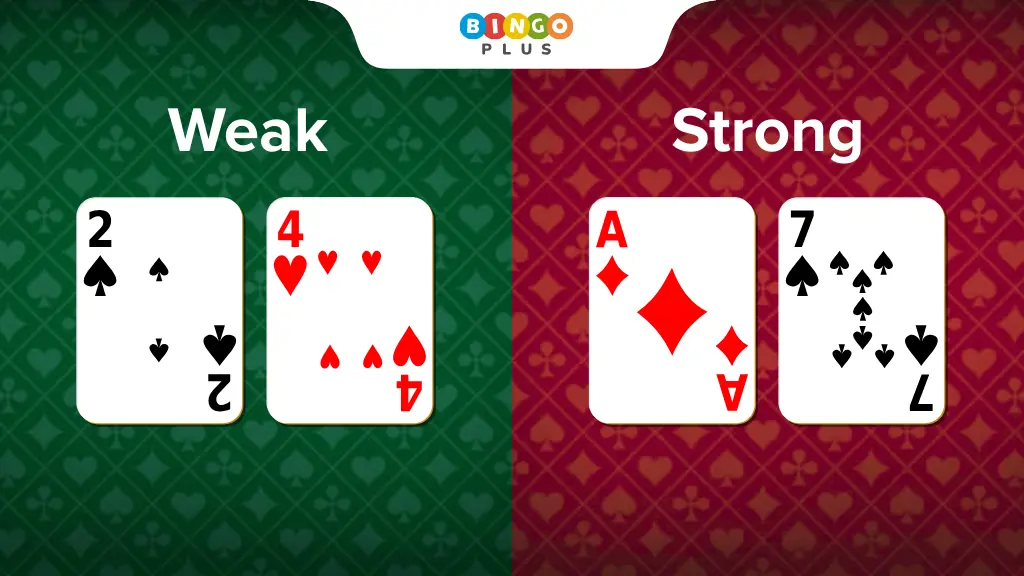
The dealer’s upcard is the most critical piece of information available to you. In Blackjack, cards are categorized into “strong” and “weak” for the dealer:
| Dealer Upcard | Cards | Implications |
|---|---|---|
| Strong Cards | 7, 8, 9, 10, Ace | The dealer is likely to make a strong hand (17-21). |
| Weak Cards | 2, 3, 4, 5, 6 | The dealer has a higher statistical probability of busting. |
Understanding this distinction allows you to adjust your aggression. When the dealer is weak, your primary goal is to avoid busting yourself. When the dealer is strong, you must be more aggressive to reach a competitive total.
When You Should Hit in Blackjack
Knowing when to hit is vital for improving a weak hand. According to the Blackjack basic strategy, you should generally hit in the following scenarios:
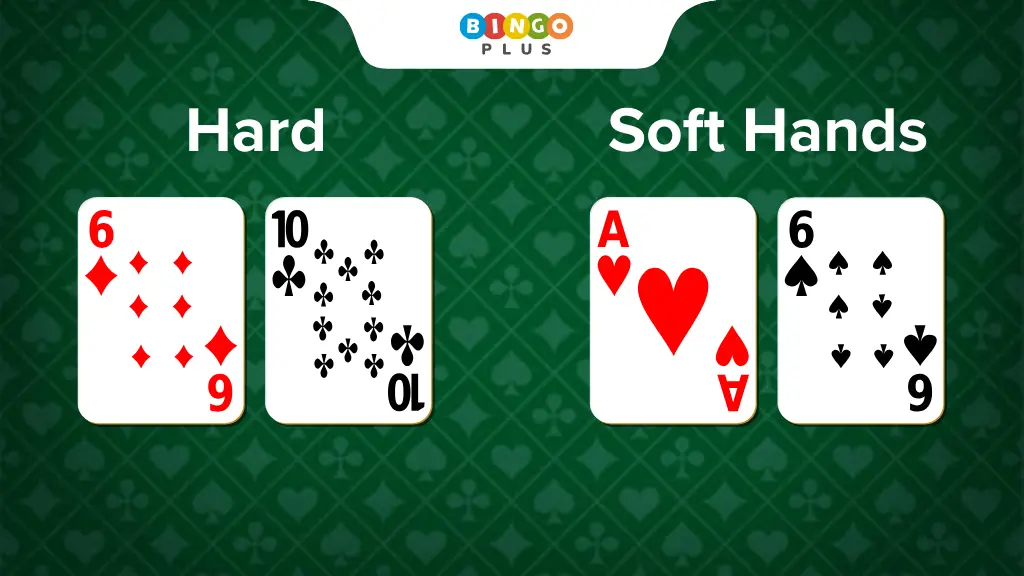
1. Hard Totals of 8 or Less
If your initial two cards total 8 or less, you should always hit. There is zero mathematical risk of busting with a single card, and any card you receive will improve your position.
2. Hard Totals of 12 to 16 Against a Strong Dealer
This is the most challenging range for players. If you hold a “stiff” hand (12-16) and the dealer shows a 7, 8, 9, 10, or Ace, the math dictates that you should hit. Although you risk busting, the dealer’s likelihood of finishing with a 17 or higher is so great that standing on a low total is a losing play in the long run.
3. Soft Hands with an Ace
A soft hand refers to having an Ace. In Blackjack, an Ace is worth either 1 or 11 points. This means you have more opportunities to adjust your hand and are less likely to bust. However, different total point values require special attention regarding the timing of drawing cards:
- Soft 13-16: Always hit. These hands cannot bust with one hit and have significant room for improvement.
- Soft 17: It’s best to hit, especially if the dealer has a 7 or higher.
- Soft 18: Stand against dealer 2, 7, or 8; hit against dealer 9, 10, or Ace.
When You Should Stand in Blackjack
Knowing when to stand protects your hand and forces the dealer to beat you or bust.
1. Hard Totals of 17 or Higher
If your hand total is 17, 18, 19, or 20, you should always stand. The probability of busting if you hit a 17 is approximately 69%, and it only increases from there. Regardless of the dealer’s upcard, standing is the mathematically superior move.
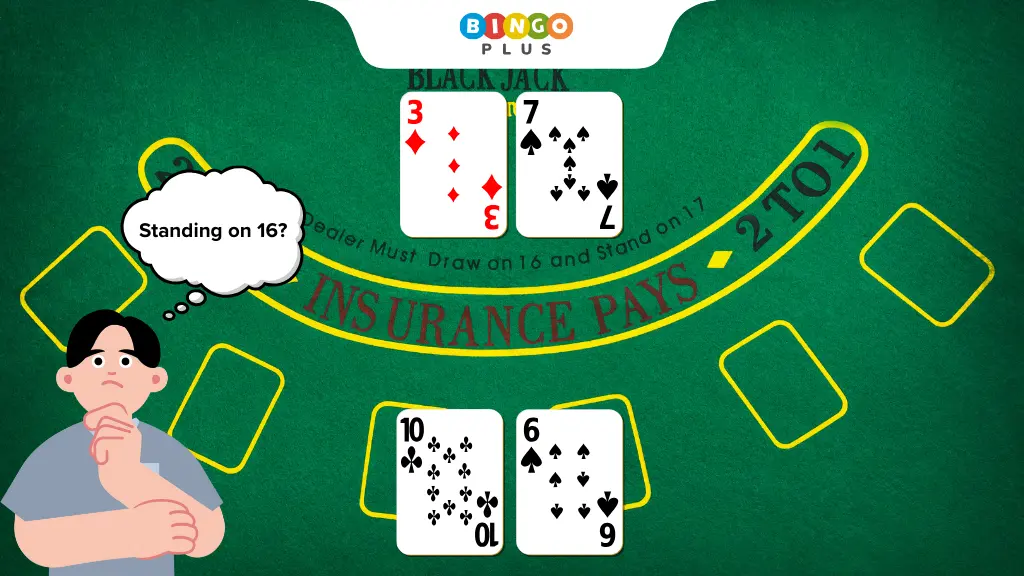
2. Hard Totals of 12 to 16 Against a Weak Dealer
If the dealer shows a 2, 3, 4, 5, or 6, they are in a “bust-prone” position. In these cases, if you have a total of 13-16, you should stand. You do not need a strong hand to win; you simply need to stay in the game and wait for the dealer to exceed 21.
Exception:
If you have a 12, stand against a dealer 4, 5, or 6, but consider hitting against a 2 or 3.
Why? Because the dealer might exit the game themselves, you don’t have to risk asking for cards. Remember: sometimes winning isn’t about having a big hand, but about the dealer making a mistake.
3. The Special Case of a Hard 12
A hard 12 requires slightly different treatment. You should stand against a dealer’s 4, 5, or 6, but hit against a dealer’s 2 or 3. This adjustment reflects subtle differences in the dealer’s bust probability.
Blackjack Hit or Stand Strategy Summary Table
The following table summarizes the optimal hit/stand decisions for hard totals (hands without an Ace or where the Ace must be 1):
| Player Hand | Dealer 2-6 | Dealer 7-Ace |
|---|---|---|
| 8 or less | Hit | Hit |
| 9-11 | Double/Hit | Double/Hit |
| 12 | Stand (vs 4-6) / Hit (vs 2-3) | Hit |
| 13-16 | Stand | Hit |
| 17-21 | Stand | Stand |
Common Mistakes to Avoid
Even with a guide, many players fall into psychological traps that increase the house edge.
Too conservative
When facing a dealer’s hand of 7 or higher, players typically fold when their total is between 12 and 16. Players are often afraid of busting, so they fold when their total is low. However, when facing a strong hand, “playing it safe” is actually riskier.
Overvaluing a Soft 17
Many beginners stand on a soft 17 (Ace-6). In reality, a soft 17 is a weak hand that can never bust with a hit. You should always hit or double down on a soft 17 to improve your chances.
Ignoring Table Rules:
Always check if the dealer hits or stands on soft 17 (H17 vs. S17). If the dealer hits on soft 17, the house edge increases slightly, and you may need to be more aggressive.
Practice and Play Online
Want to try these strategies without risking real money at first? Many online casinos (such as BingoPlus) offer free play tables where you can test your hit/stand decisions. Practicing online is a great way to build confidence before sitting at a real table.
Conclusion
Mastering the decision of when to hit or stand in Blackjack is the first step toward becoming a successful player. By moving away from guesswork and adhering to basic strategy, you align your play with mathematical probability. Remember: the goal isn’t just to get close to 21, but to beat the dealer. Whether you are playing at a physical casino or online, keep this guide handy to ensure every move you make is the right one.