


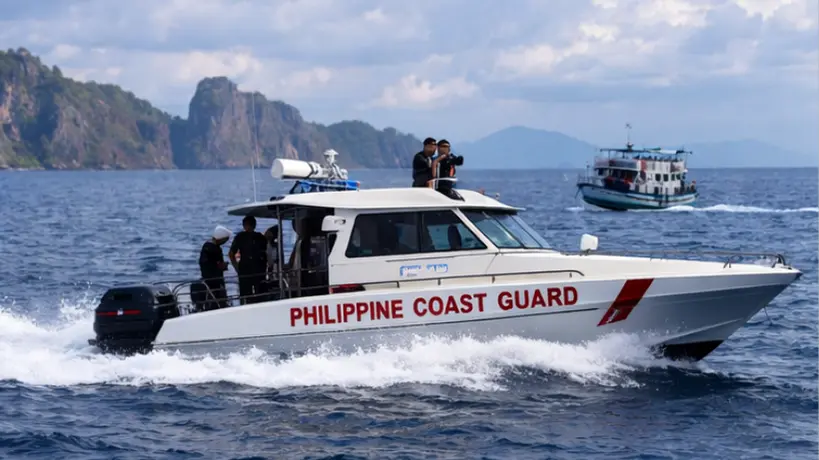
Manila, Philippines — The Philippine National Police (PNP) has intensified coastal and land border patrols in a bid to curb illegal activities linked to Philippine Offshore Gaming Operators (POGOs), following the government’s nationwide ban on the industry. Authorities are stepping up monitoring of potential “backdoor routes” used by operators and staff to continue operations or recruit personnel illegally.
From Rapid Growth to Nationwide Ban
POGOs, which provide online gambling services primarily to international markets, grew rapidly over the past decade, generating significant revenue for the Philippines. However, the industry was increasingly linked to scams, online fraud, human trafficking, and money laundering.
In response, President Ferdinand Marcos implemented a nationwide ban on all POGO operations starting January 1, 2025. The Philippine Congress also passed the Anti-POGO Act (Republic Act 12312) in 2025, which criminalizes the establishment, operation, or involvement in offshore gambling businesses. The law provides for heavy fines, imprisonment, and asset forfeiture, aiming to protect public safety and prevent organized crime.

Enhanced Border Patrols and Intelligence Operations
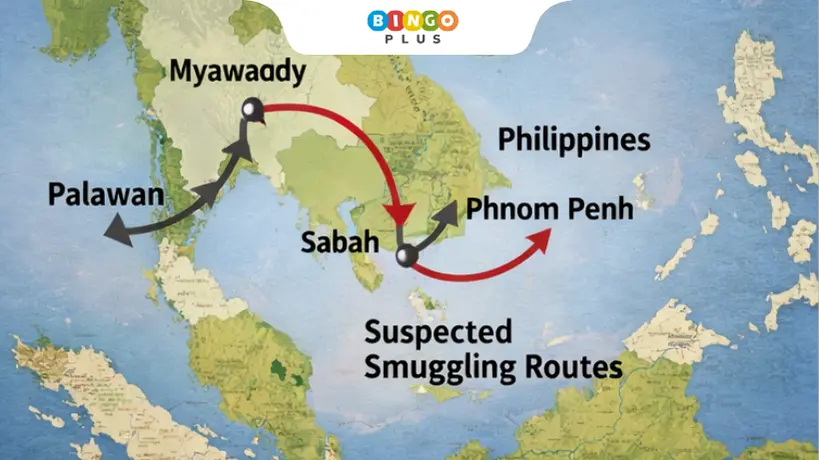
Lt. Gen. Jose Melencio Nartatez Jr., acting PNP Chief, said that while many POGO operations have been shut down, some illegal groups continue to exploit remote sea and land routes to evade authorities. The PNP has prioritized monitoring routes between Palawan and Malaysia’s Sabah region, which criminals use to smuggle personnel and funds.
Investigations have revealed that some groups further transfer personnel to countries such as Myanmar and Cambodia to continue online fraud operations. PNP is coordinating closely with intelligence agencies and foreign law enforcement to disrupt these networks.
Results and Ongoing Challenges
Nationwide crackdowns have produced notable results:
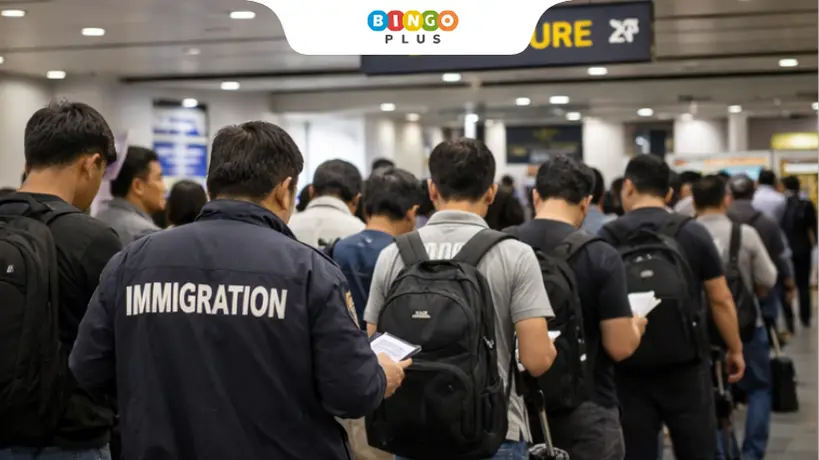
- Thousands of foreign POGO workers have been deported or detained through coordinated operations with immigration authorities and foreign embassies.
- Large POGO hubs involved in serious criminal activity in Manila, Cebu, Tarlac, and Pasay have been closed, with evidence seized for prosecution.
- Authorities continue to pursue remaining foreign workers who stayed in the country after the ban, ensuring they are brought to justice or deported.
Despite these successes, over 9,000 former POGO employees reportedly remain at large, some hiding in remote areas or operating small clandestine offices. Detention facilities are crowded, which complicates enforcement efforts.
Cross-Agency and International Cooperation
Local government units have been instructed to monitor commercial and residential properties to prevent disguised POGO operations. The Department of Foreign Affairs is also coordinating with China and other countries to facilitate intelligence sharing and joint enforcement actions.
Societal and Economic Impact
The crackdown has received broad public support due to the industry’s association with fraud and safety concerns. At the same time, families of deported workers face the emotional challenges of separation, prompting authorities to ensure humane deportation processes.
The Philippine government has pledged to continue strengthening border controls, intelligence coordination, and law enforcement to eliminate illegal POGO operations and associated criminal networks, safeguarding national security and public order.