

Gambling, deeply woven into the cultural fabric of the Philippines, has long been a popular pastime, ranging from traditional cockfighting (sabong) to card games like pusoy and mahjong. However, with the advent and rapid proliferation of online gambling platforms, this recreational activity has increasingly morphed into a significant public health concern, particularly in the form of gambling addiction among Filipino players. The convenience offered by digital platforms, accessible through e-wallets like GCash and Maya, has lowered barriers to entry, making it easier for individuals across all demographics to engage in betting activities.
This article analyzes the common behaviors associated with gambling addiction in the Filipino context, exploring its cultural underpinnings, the psychological tactics employed by online platforms, and the profound impact on individuals and families.
Common Gambling Addiction Behaviors
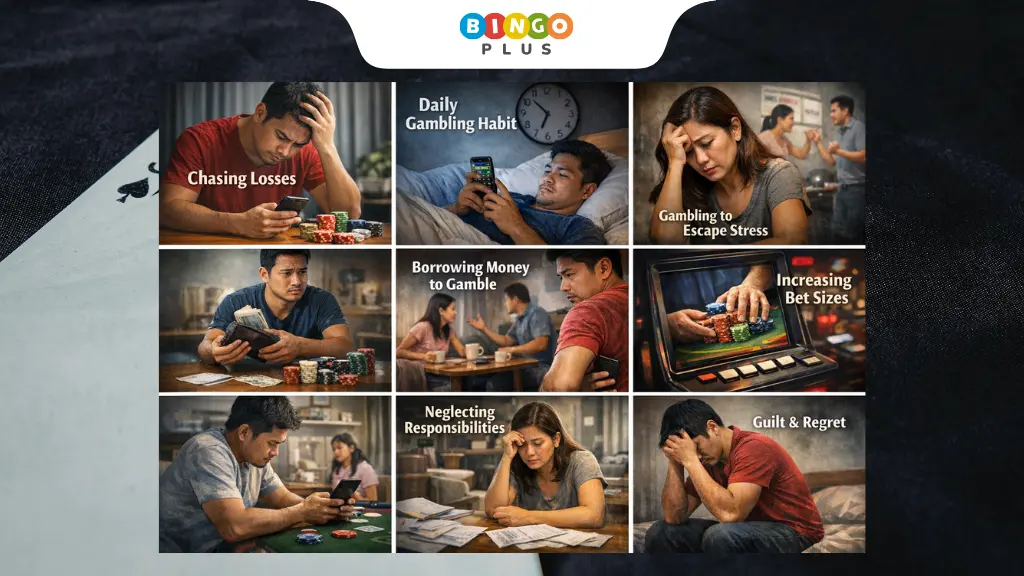
Gambling addiction, often referred to as a process addiction, manifests through a series of discernible behaviors that can severely impact an individual’s life. In the Filipino context, these behaviors often include:
1. Chasing Losses After Every Bet
Gambling addiction is one of the most common gambling behaviors. After losing money, players have a strong urge to continue gambling to make up for their losses and often ignore budget management, increasing their bets or frequently switching games in an attempt to change their luck. This behavior often leads to a vicious cycle of accumulating debt and feelings of despair.
2. Increasing Stakes
Individuals may find themselves needing to bet progressively larger amounts to achieve the same level of excitement or thrill they once experienced with smaller bets. This escalating need for higher stakes can quickly deplete financial resources.
3. Borrowing or Stealing to Gamble
Borrowing money specifically for gambling is a serious warning sign. As personal funds dwindle, players may resort to borrowing from family, friends, or informal lenders, often at exorbitant interest rates. In more serious cases, they may even engage in theft or other illegal activities to fund their gambling addiction.
Filipino gamblers with this mindset often believe that winning big will allow them to repay their loans, ignoring the inherent uncertainty of gambling.
4. Preoccupation with Gambling
Gambling consumes the individual’s thoughts. They constantly think about past gambling experiences, plan future betting strategies, or obsess over ways to acquire money for gambling.
5. Hiding Gambling Activity from Family
Because the family plays a central role in Philippine culture, gamblers often lie to family, partners, and friends to conceal the severity of their gambling problems and the resulting financial losses. This includes attempting to misrepresent where their funds are going or deleting betting records. Such concealment erodes trust and strains interpersonal relationships.
6. Neglecting Responsibilities
Gambling takes precedence over essential life responsibilities. This can include neglecting work, academic pursuits, family duties, and even basic personal needs such as food, education, and healthcare, which are often sacrificed for the sake of gambling.
7. Withdrawal Symptoms
When attempting to reduce or stop gambling, individuals may experience psychological withdrawal symptoms such as irritability, restlessness, anxiety, or depression. These unpleasant feelings often drive them back to gambling as a coping mechanism.
Why Early Awareness Matters
Raising awareness is not about assigning blame but about protection and prevention. Gambling addiction doesn’t develop overnight; it’s a gradual process that’s often difficult to detect. If Filipino gamblers and their families can identify these common behaviors early on, they can maintain responsible gambling by setting betting limits, submitting to restricted betting lists, or seeking professional help.
Impact on Individuals and Families
Gambling addiction has far-reaching consequences that affect not only the individual but also their families and communities. Financially, it leads to mounting debts, loss of savings, and even bankruptcy, pushing families into poverty. Emotionally, it fosters distrust, conflict, and isolation within the family unit. Children of addicted gamblers may suffer from neglect, emotional distress, and instability. The societal impact includes increased crime rates, reduced productivity, and a strain on public health services as more individuals seek help for addiction-related issues.
Solutions and Support for Filipino Players
Addressing gambling addiction in the Philippines requires a multi-faceted approach involving regulatory bodies, support organizations, and individual efforts. The Philippine Amusement and Gaming Corporation (PAGCOR) has implemented responsible gaming initiatives and partnered with rehabilitation centers, such as Bridges of Hope, to provide recovery programs.
Individuals grappling with addiction can take the following practical steps:
1. Self-Exclusion and App Blockers
You can create significant barriers to impulsive gambling by actively uninstalling gambling applications, unlinking e-wallet accounts, and utilizing app blockers.
2. Financial Controls
Implementing strict financial controls, such as setting spending limits, seeking assistance from trusted individuals to manage finances, or even opting out of online banking, can limit access to funds for gambling.
3. Seeking Professional Help
Engaging with support groups, counselors, and rehabilitation centers offers structured pathways to recovery. These resources provide therapeutic interventions and a supportive community for individuals on their journey to overcome addiction.
Conclusion
Gambling addiction among Filipino players is a complex issue, exacerbated by the cultural acceptance of gambling and the pervasive nature of online platforms. Recognizing the common behavioral patterns, understanding the psychological lures, and acknowledging the profound impact on individuals and families are crucial first steps. By fostering greater awareness, promoting responsible gaming practices, and strengthening support systems, the Philippines can work toward mitigating the devastating effects of gambling addiction and safeguarding the well-being of its citizens.