

We have all experienced it during a late-night session on our favorite online card app. You get dealt pocket aces, play the hand perfectly, and still watch an opponent hit a runner-runner straight on the river. Then it happens again a few hands later.
Before you know it, a couple of painful bad beats become a frustrating losing streak that makes you question your skills and wonder whether you have forgotten how to play poker.
The truth is that every serious poker player experiences downswings. The difference between players who recover and those who go broke is not luck—it is their ability to control emotions, analyze mistakes, protect their bankroll, and continue making profitable decisions while variance runs its course.
Why Online Poker Downswings Happen
A downswing is rarely caused by a single factor. Most losing streaks are the result of natural variance, emotional reactions, and small strategic mistakes that slowly accumulate.
Bad Beats and Mathematical Variance
Poker is a game of long-term advantages and short-term uncertainty. Even if you consistently make the correct decisions, the cards can produce disappointing results over hundreds or thousands of hands.
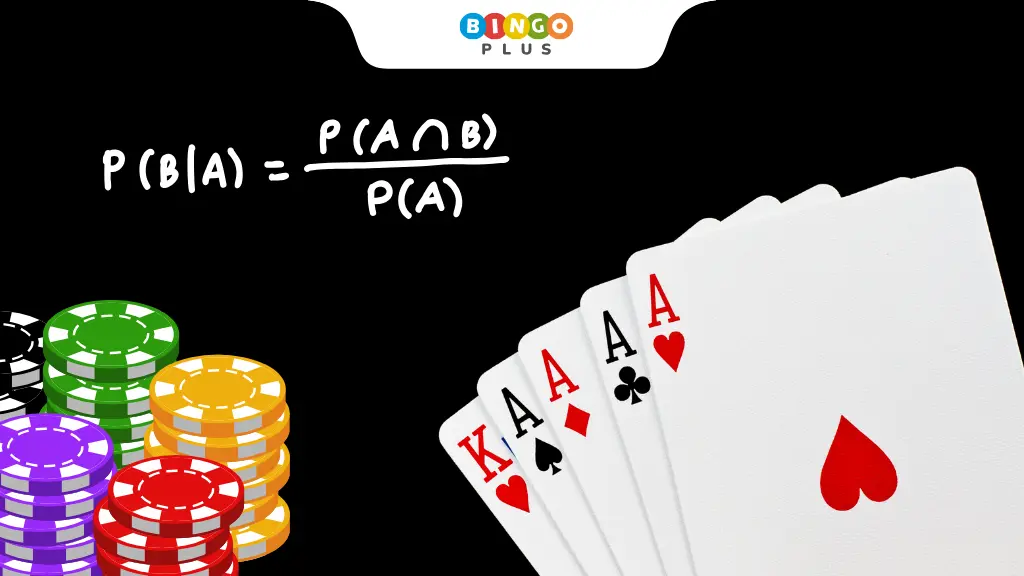
Professional players focus on expected value (+EV) rather than individual outcomes. If you put your chips into the pot as a mathematical favorite, you made a profitable decision, even if you lose that particular hand.
This is why even highly successful players can experience painful stretches of 20 to 30 buy-ins or more below expectation. A downswing does not automatically mean you are playing badly—it may simply be the natural result of statistical variance.
Emotional Tilt and Poor Decision-Making
Losing several sessions in a row can create accumulated tilt, also known as carryover tilt. Unlike explosive frustration that causes reckless all-ins, this form of tilt is more dangerous because it is subtle. The frustration from yesterday’s losses follows you into today’s session, causing you to call too wide, fold too early, or avoid making aggressive plays.
The only way to fight this mental trap is through honest self-evaluation. Review your decisions objectively. Ask yourself whether you were truly unlucky or whether frustration has caused your strategy to decline.
If you notice your concentration slipping or your choices becoming emotional, step away from the table. Closing the app and taking a break is sometimes the most profitable decision you can make.
How to Recover From a Poker Downswing
Recovering from a losing streak requires discipline and a willingness to adjust your approach.
Review Your Hand Histories
Many players blame bad luck for every lost buy-in, but slumps often expose hidden mistakes. The right approach is to calmly analyze your hand history and avoid being swayed by emotions. Carefully study challenging situations, such as betting from the small blind or facing three pre-flop raises, to identify decision-making patterns that might be causing you to lose money.
The best players do not spend their time complaining about bad beats. They investigate their own game and fix technical leaks before those mistakes become expensive habits.

Reduce the Number of Tables You Play
Multitabling can increase your hourly volume when you are playing your best, but it can become harmful during a downswing.
Playing too many tables reduces the time available for important decisions and encourages automatic, passive choices. Cutting your table count in half can give you more mental space to read opponents, recognize patterns, and make higher-quality decisions.
Move Down in Stakes and Protect Your Confidence
One of the worst responses to a downswing is chasing losses by playing higher stakes or becoming overly aggressive. Good bankroll management requires putting your ego aside. Serious cash game players often maintain a large safety buffer, such as 100 buy-ins for their regular stakes.
If your bankroll falls below your comfort zone, moving down from ₱5/₱10 games to ₱2/₱4 or ₱1/₱2 games can reduce financial pressure and allow you to rebuild confidence against a softer player pool.
Simplify Your Strategy and Reduce Variance
When you are desperate to recover losses, you may start attempting risky bluffs or complicated plays. This is often known as fancy play syndrome, and it usually makes a downswing worse.
During difficult periods, return to fundamentally strong poker. Choose lower-variance lines, control pot sizes, and avoid unnecessary situations where you are forced to make difficult guesses.
You should also be more selective with thin-value bets. A marginal river value bet may be profitable when you are playing confidently, but during a downswing, avoiding unnecessary high-risk spots can help maintain stability.
Pay attention to your Stack-to-Pot Ratio (SPR) before committing large amounts of chips. Managing the size of the pot gives you more flexibility to fold when the situation becomes unfavorable.

Protect Your Bankroll and Think Long-Term
A poker downswing does not mean you have become a bad player. It is a test of your discipline, emotional control, and ability to trust the long-term nature of the game.
The players who survive are not the ones who avoid losing streaks. They are the ones who review their mistakes, control their emotions, manage their bankroll, and keep making correct decisions while others give up.
Bad luck is temporary. Poor bankroll management and emotional decisions can cause damage that lasts much longer.
Frequently Asked Questions
Yes. Even highly skilled players can experience extended downswings because poker involves short-term variance. A player can make excellent decisions and still lose over thousands of hands.
You do not always need to stop playing, but you should take a break if frustration affects your focus or decision-making. Playing while tilted often turns a normal downswing into a much larger loss.
Not necessarily. Variance can create results that feel impossible in the short term. A long losing streak does not automatically mean the game is unfair.
The size of a downswing depends on the game type and variance. Even winning players can experience 20 to 30 buy-ins or more below expectation during difficult periods.