

When playing slot machines, do you often tell yourself, “I’ll stop after a few minutes; it’s just a few spins, no big deal?” But the truth is, for some reason, you’re still playing online slots for the next few minutes, watching the reel spin.
The moment you wait for all the symbols to perfectly align, the same thing happens again. You think, “Just a little more, one more spin, and I’m done!”
If this sounds familiar, you’re not alone. More importantly, it’s not a coincidence. It’s not just about how online slot machines work; it’s about how the psychological mechanisms of slot machines keep players hooked and exceeding their expectations.
The Problem: The “Just One More” Loop
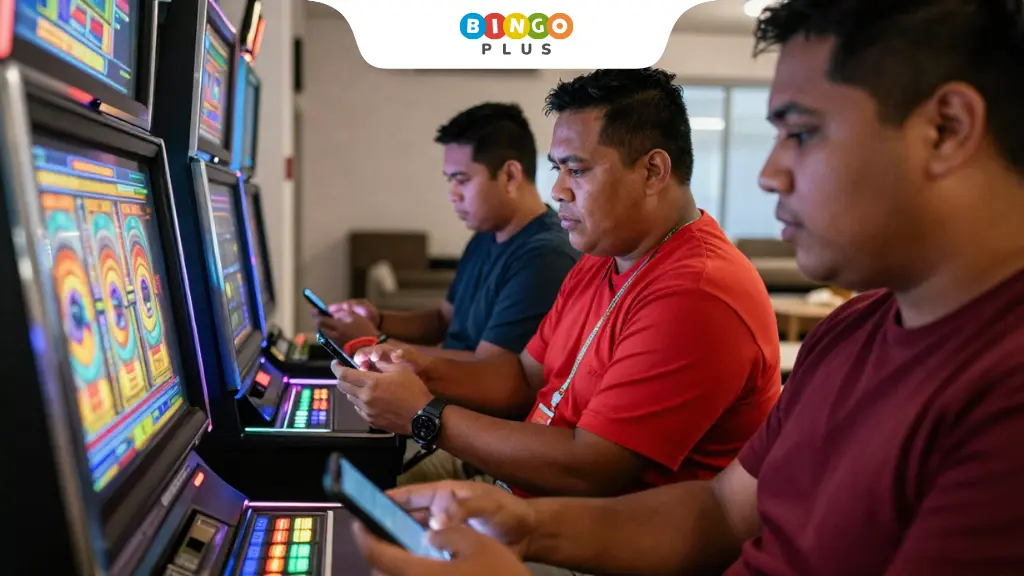
Slot games don’t force you to stay. They don’t need to. Once you’re in, you naturally don’t want to stop. You spin, you don’t win, but it feels close. Then you get a small return, just enough to keep you going. You feel something—just enough excitement to convince yourself that maybe the next one will be different.
So you go again. And again. And again.
That “just one more spin” becomes a loop, and once you’re inside it, it’s surprisingly hard to step away. To understand why, we need to look at the psychological triggers behind it.
The “Near-Miss” Illusion in Online Slots
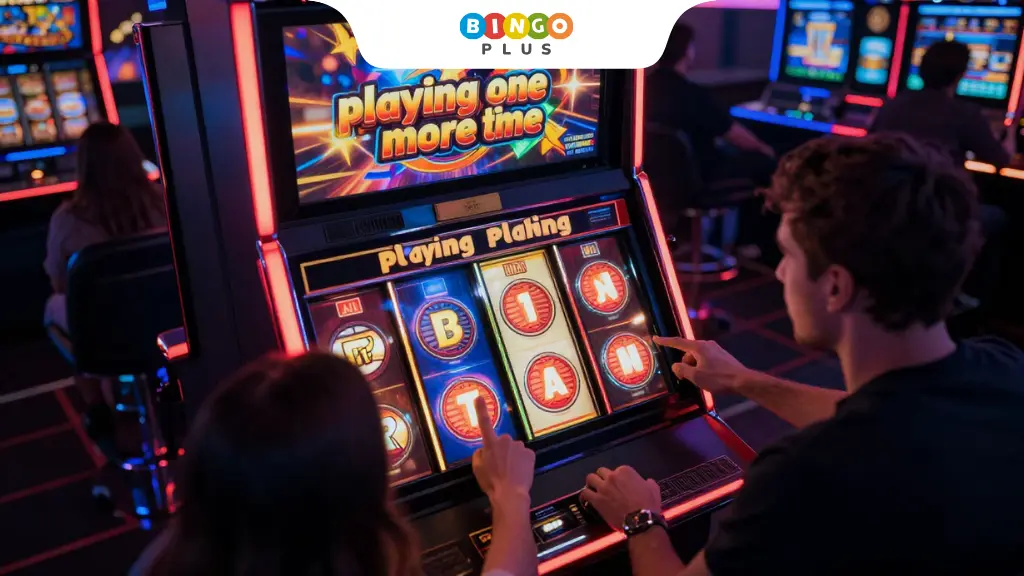
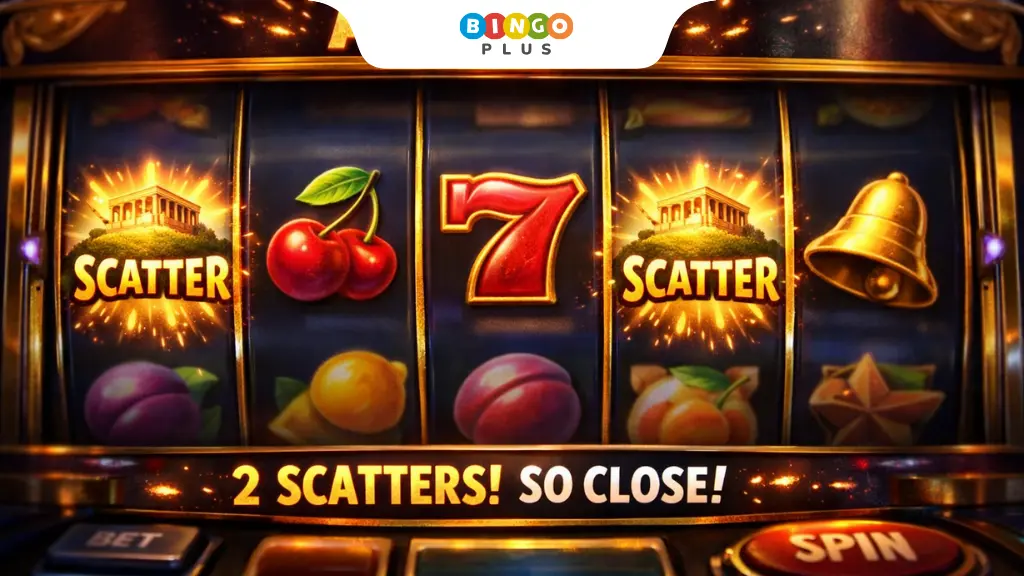
This is usually the moment that hooks you. You spin and see two Scatter symbols land perfectly. The third one? It drops just above the line. Close enough to notice. Close enough to feel.
That moment does something to you. It feels frustrating but also exciting. Because now there’s this idea in your head that you were almost there. And if you were almost there, then maybe the next spin will finally hit.
But here’s what’s really happening: a near miss is not progress.
Online slot machines use random number generators (RNG), meaning every spin is completely independent. However, your brain interprets near misses as signals that you’re getting closer. And once that belief sets in, the urge to continue becomes stronger.
Losses Disguised as Wins
This is where things get even more subtle. You spin, and you place a bet—let’s say ₱50. The reels stop, lights flash, music plays, and the screen tells you that you won. For a moment, it feels good. You feel like something worked.
Then you check your balance—you’ve only received 15 pesos. The reality is you didn’t win; you actually lost 35 pesos. But you don’t feel like you lost.
That’s because your brain doesn’t immediately process the numbers. It reacts to the experience—the sound, the visuals, the celebration. So even when you’re losing, your brain still treats it like a win.
And when that keeps happening over and over again, you stay in the game longer than you should. You feel like you’re doing okay, like you’re winning enough to keep going. But in reality, your balance keeps going down. You just don’t feel it right away.
The “Stop Button” Illusion of Control
At some point, you probably tried tapping the screen to stop the reels early. It feels satisfying, like you did something right. Like your timing mattered. Like you had control over the outcome. But you didn’t.
The moment you press “Spin,” the result is already decided. Whether you let the reels play out or stop them yourself, the outcome doesn’t change. The game already knows where it will land. So why include that feature at all?
Because it gives you the feeling of control. It makes you believe that maybe, just maybe, you can influence the result next time. That you can improve your timing or get better at it.
But in reality, all it does is make the game faster. You spin more. You bet more. And you spend more money in a shorter amount of time.
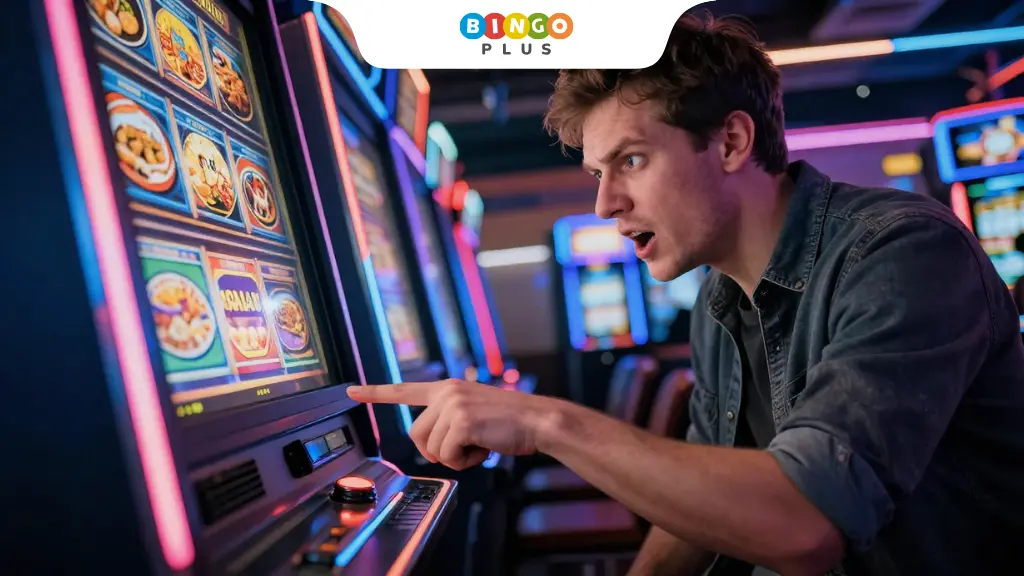
How Slot Machine Psychology Keeps You Playing
Now put everything together. You feel like you’re getting close because of near misses. You feel like you’re winning because of small returns that are actually losses. And you feel like you’re in control because of features like the stop button. Each of these tricks on its own might seem harmless, but combined, they form a loop that’s hard to escape.
This loop works on both your brain and your emotions. The near misses keep you chasing something that doesn’t exist. The fake wins keep your brain releasing dopamine, making you feel rewarded even when your balance is going down. And the stop button? It convinces you that you can influence the outcome, giving you a false sense of skill and control.
Before you know it, you’re no longer playing just for fun or entertainment. You’re reacting to what the game is making you feel. Every sound, every flash of light, every “so close” moment pulls you deeper into the cycle. That’s why it’s so difficult to walk away—even when you know you should. It’s not laziness or lack of willpower—it’s how the game is designed, and once you see the pieces working together, it suddenly all makes sense.
How to Take Control Back
If you’ve ever found yourself stuck in that loop, there are simple ways to break it. Not complicated strategies—just small changes that make a big difference.
1. Set a Real Loss Limit
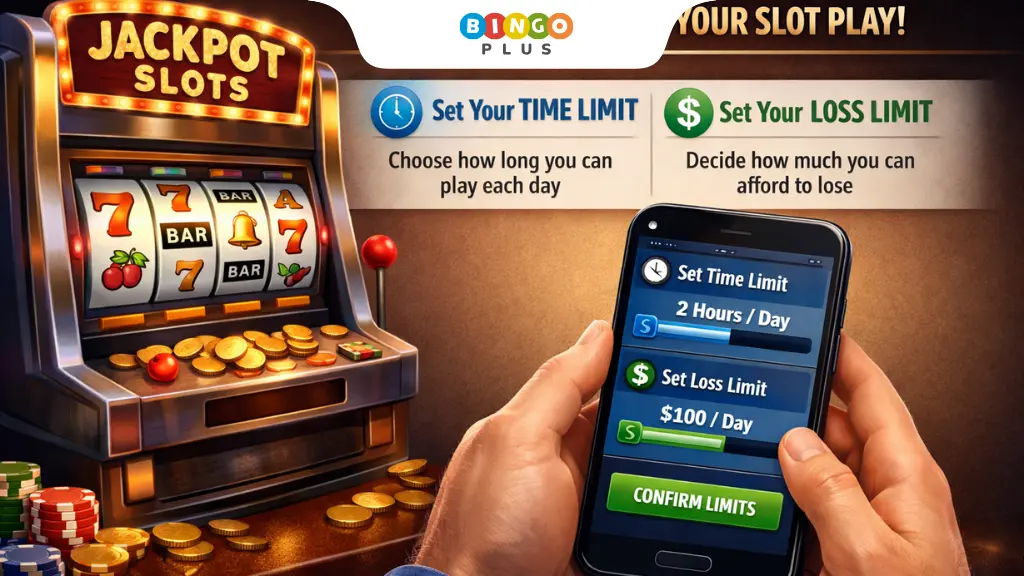
Start by setting a real loss limit, not just in your head, but inside the app. PAGCOR-licensed casinos in the Philippines typically offer the option to set daily or weekly limits.
For example, BingoPlus‘s responsible gambling tool prevents players from continuing to play once they reach their limit.
It removes the need to rely on willpower in the moment. When the temptation hits, you can’t just convince yourself to “try one more spin”—the system stops you.
2. Enable Reality Checks
Another powerful tool is the reality check. Set reminders that pop up every 30 minutes or so to show how long you’ve been playing and how much you’ve spent. It sounds simple, but it works. When you’re deep in the game, time and money blur together. These reminders break that trance and help you regain perspective.
3. Play Without Sound
Play for a few minutes with the sound off. No music, no bells, no flashing lights celebrating fake wins. Suddenly, the game feels very different. Without the sensory cues, those losses disguised as wins lose their power. You start seeing the spins for what they are—just random numbers—and the urge to keep going weakens.
4. Understand That “Close” Means Nothing
Finally, remind yourself that being “close” doesn’t mean anything. Two scatter symbols do not make the third more likely. Every spin is independent. The game has no memory, no pattern, and no build-up to a jackpot. Keeping this in mind helps you resist the psychological traps and break free from the endless “just one more” loop.
Online Slots Are More Than Just Games
If you’ve ever played longer than you planned, thinking you were just one spin away, you’re not alone—and now you know why.
Online slot games are designed not just for entertainment but for engagement. Once you start seeing how these psychological triggers work, the experience changes. Near-misses lose their power, small wins feel less convincing, and that urge to keep spinning becomes easier to control.
Because in the end, it’s not just about the game—it’s about understanding what the game is doing to you.