


In the world of online gambling and casino games, understanding the data behind the games can significantly impact your long-term gaming experience. For many players, one of the most crucial metrics to comprehend is Return to Player (RTP). Whether you’re playing online slots, table games, or live casino games, RTP plays a vital role.
RTP not only determines how much of the total wagered amount a game theoretically returns to players over the long term, but it also helps players make more informed decisions when choosing games and formulating betting strategies, thereby optimizing their overall gaming experience and bankroll management.
This guide explains what RTP is, how it works, its importance, and how players can use RTP to make more informed gaming decisions.

What Is Return to Player (RTP)?
RTP (Return to Player) refers to the percentage of the total wagered amount that a casino game or slot machine theoretically returns to players over a long period of operation. This is a statistical and theoretical value, usually calculated through thousands or even millions of simulated game rounds.
For example:
If a slot machine has an RTP of 97.50%, it means that for every 100 pesos wagered, players can expect to receive an average of 97.50 pesos back over the long term, while the remaining 2.50 pesos becomes the casino’s profit. This 2.50% difference is known as the house edge.
It’s important to note that RTP is a long-term statistical indicator. In the short term, a player’s actual returns may be significantly higher or lower than expected. For instance, some players might win big in a short period, while others might experience consecutive losses. However, the longer the game is played, the closer the actual return rate will converge to the theoretical RTP.
Most games are designed with RTPs ranging from 83% to 99.5%, which ensures that players occasionally have winning experiences while also guaranteeing profitability for the casino over the game’s lifecycle.
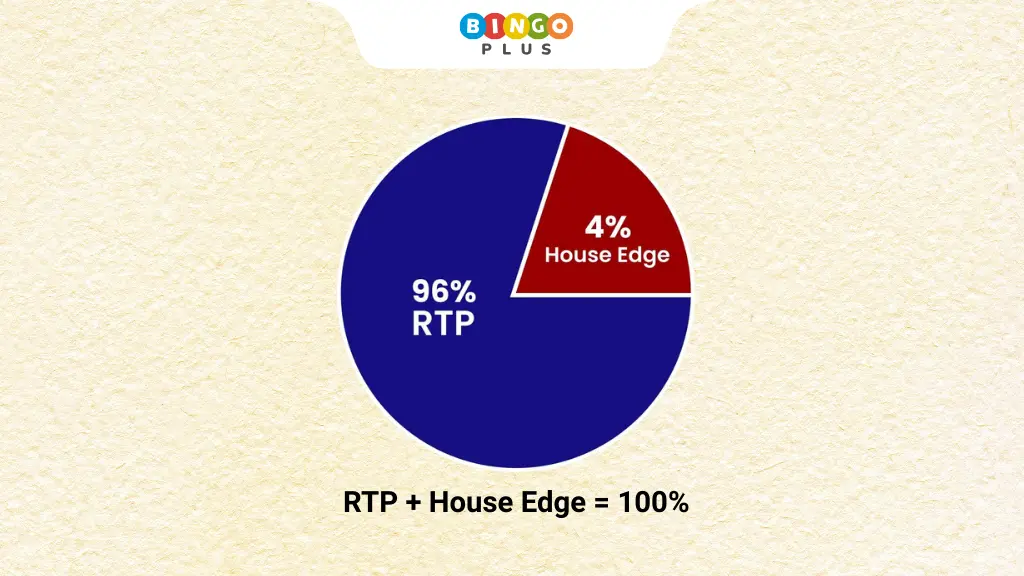
RTP vs House Edge
RTP and house edge are closely related concepts, with the house edge calculated as 100% – RTP. In gambling games, a higher RTP means a lower house edge, which makes the game more favorable to players in the long run. Here are common examples of RTP vs. house edge:
| RTP | House Edge |
|---|---|
| 98% | 2% |
| 96% | 4% |
| 94% | 6% |
| 90% | 10% |
While these differences may seem small, over extended periods of play or after a large number of bets, these percentage gaps can have a significant impact.
RTP vs Volatility
In addition to RTP, volatility is another crucial metric in gambling games, especially in slot games. Volatility measures the frequency and size of game payouts. RTP and volatility work together to provide players with a comprehensive view of game risk and potential returns.
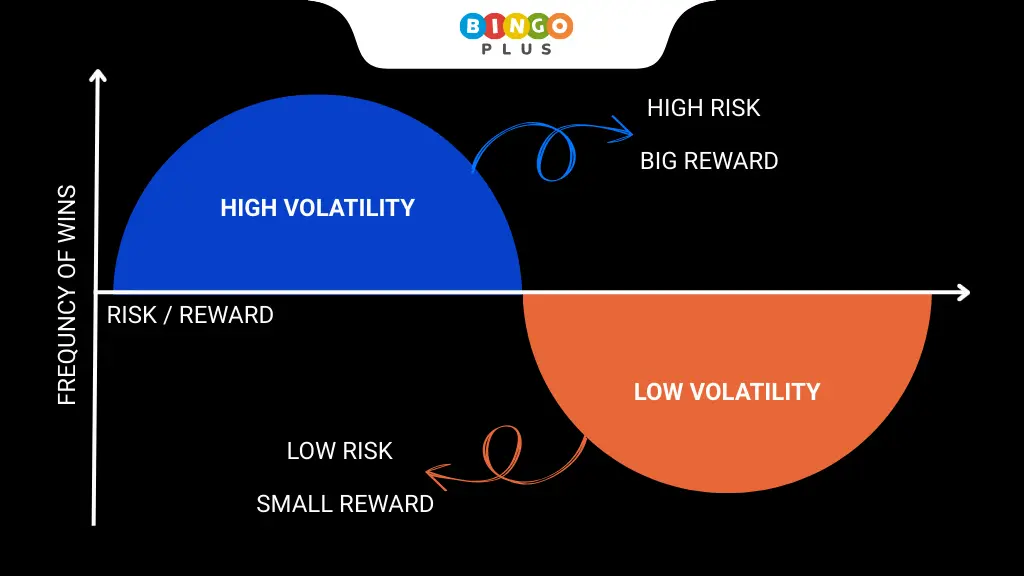
Low Volatility Games
Typically offer frequent but smaller wins. These games are suitable for players who want to extend their playing time and enjoy continuous small returns. They help with better bankroll management but offer a lower chance of hitting huge jackpots.
High Volatility Games
Offer infrequent but larger wins and may even include progressive jackpots. These games are suitable for players who are chasing big prizes, are willing to take higher risks, and can withstand longer periods without returns. While high volatility games are exciting, they require a more substantial bankroll to cope with potential losing streaks.
It’s important to note that a high RTP does not mean you will win frequently; it only represents the average return over the long term. Volatility, on the other hand, determines your winning pattern—whether it’s frequent small returns or occasional large jackpots.
Why RTP Is Important for Players
1. Choosing Better Games
Higher RTP games generally mean a lower house edge. Statistically, consistently choosing games with higher RTP can help players significantly reduce overall losses.

2. More Effective Bankroll Management
Players who focus on high RTP games typically experience slower bankroll depletion, allowing for longer playing sessions. Even small differences in RTP can have a noticeable effect after hundreds of spins.
For example:
Theoretically, a slot machine with an RTP of 96.5% will allow for longer play than one with an RTP of 92%.
3. Understanding Realistic Expectations
RTP helps players avoid unrealistic expectations. Casino games are designed to give the house an advantage, so no game guarantees profitability. Instead, RTP shows the expected statistical return, not a guaranteed win.
RTP in Different Casino Games
1. Slot Games
Slot games, as popular as they are in the Philippines, are the most frequently discussed games when it comes to RTP. Many online slot providers openly display RTP ranges. They are usually categorized into 3 levels:
- Low RTP Slots: 90–94%
- Medium RTP Slots: 95–96%
- High RTP Slots: 96–98%
High RTP slot games often attract experienced players looking for higher long-term value. However, slot games also include some high volatility games, which may have a high RTP but can still result in long losing streaks.

2. Table Games
Table casino games typically have higher RTPs than slots, with variations across different games. Some of these games can better help you understand game probabilities and make optimal decisions:
| Game | Win Rate |
|---|---|
| Slots | 94–97% |
| Blackjack | 99%+ |
| Roulette | 94–97.3% |
| Baccarat | 98%+ |
3. Live Dealer Games
Live dealer games generally have the same RTP as traditional table games because they follow the same rules. However, some live game versions may include side bets with lower RTPs, so players are advised to check the payout tables before placing additional wagers.
RTP Differences Between Online and Land-Based Casinos
Finding a game’s RTP is crucial for making informed betting decisions, but the method varies depending on the type of casino.
Land-Based Casinos
In land-based casinos, determining a slot machine’s RTP is almost impossible. This is because casinos are generally not required to publish detailed payout statistics, so players cannot find the RTP by consulting game descriptions or rules. Additionally, land-based casinos collaborate with game manufacturers to select slot machines with different RTP settings based on regional player preferences.
Online Casinos
In contrast to land-based casinos, the situation is quite different for online casinos. Online slots typically have uniform RTP settings, and players can easily find the RTP in the game information.

Why Do Online Slots Generally Offer Higher RTP?
On average, slots in the legal online casino market in the Philippines have an RTP of approximately 96%, which is significantly higher than the payout rates of land-based casino slots. Several reasons contribute to this difference:
1. Lower Operating Costs
Online slots do not require physical space, and providers do not need to lease large gaming cabinets or bear real estate costs, thereby reducing operating expenses.
2. More Intense Competition
In legal online casinos, players can easily download multiple game applications and switch between them. This convenience forces online casinos to remain competitive to attract and retain players.
3. Higher Bet Amounts
Although online casinos offer higher return rates, they generate more revenue through higher average bet amounts. While the maximum bet on a land-based casino slot machine might only be 250 pesos, the maximum bet on an online slot machine can exceed 2000 pesos.
4. More Concurrent Players
Theoretically, an unlimited number of players can play the same online slot machine simultaneously. This differs from land-based casinos, where the number of machines is limited, and casinos do not profit from players waiting in line for popular slots.
Therefore, if you are looking for a higher RTP, online casinos are generally a better choice. Playing high RTP slots does not mean you will win more on average, but it should better preserve your bankroll in the long run.
Conclusion
RTP and volatility are two core metrics that any responsible gambler should understand. RTP provides you with the theoretical expectation of a game’s long-term return, while volatility reveals the winning patterns you might experience. By combining these two metrics, you can better assess a game’s risk and reward, thereby choosing games that best align with your playing style and bankroll management strategy.
When selecting online casino games, prioritize those with an RTP of 96% or higher, and choose an appropriate volatility level based on your risk preference. Remember, gambling should always be a form of entertainment; bet responsibly and enjoy the process.