


Tongits is a popular Filipino card game played with a standard 52-card deck and three players. It combines card combinations, strategic discards, and careful observation of the cards already played. Unlike games that depend mainly on the cards you are dealt, Tongits gives players opportunities to improve their hands, build combinations, add cards to existing melds, and manage the points left in their hands.
If you are learning how to play Tongits for the first time, understanding the turn order is only part of the game. You also need to know how melds work, what Sapaw means, when you can call Draw, how scoring works, and what happens when the stockpile runs out. This guide explains the standard Tongits rules step by step.
What Is Tongits?
Tongits is a Filipino three-player card game played with one standard 52-card deck without jokers. It shares some structural features with rummy because players form sets and sequences, but its decision-making is shaped by the discard pile, the Sapaw mechanic, and the possibility of winning through a draw.
The game is widely played in homes, social groups, and digital card-game platforms in the Philippines. In online Tongits, such as those found on platforms like BingoPlus, the platform handles dealing, the turn order, game validation, and score calculation. The strategic decisions remain the same: manage your hand, read the table, and avoid leaving expensive unmatched cards when the round ends.
Important:
Tongits is not governed by one universal rulebook. Dealing patterns, Ace sequences, Draw requirements, tie-breaks, and scoring can differ between tables and apps. Confirm the room rules before playing.

Tongits Objective and Basic Setup
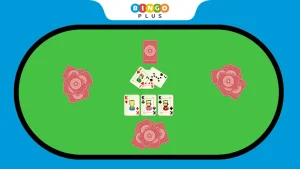
The traditional game uses three players and a 52-card deck with the Jokers removed. The dealer receives 13 cards, while each other player receives 12 cards. The undealt cards form the face-down stockpile.
| Element | Standard setup |
|---|---|
| Players | 3 |
| Deck | 52 cards, no jokers |
| Dealer’s starting hand | 13 cards |
| Other players’ starting hand | 12 cards each |
| Undealt cards | Face-down stock pile |
| Main objective | Form melds and minimize unmatched card points. |
Some online Tongits rooms use a slightly different opening procedure, such as giving the dealer an extra card and requiring the dealer to begin by discarding. The exact sequence matters, so use the instructions displayed by the platform rather than assuming every app follows the same format.
Tongits Card Values
Card values are usually counted only for cards that are not included in a valid meld. The common scoring system is shown below.
| Card | Value |
| Ace | 1 point |
| 2–10 | Face value |
| Jack | 10 points |
| Queen | 10 points |
| King | 10 points |
For example, if your unmatched cards are A♣, 6♦, and Q♥, your deadwood total is commonly 17 points. A lower total is safer when a round may end through draw or stock exhaustion.
Because some platforms use bonuses, penalties, chips, or room-specific settlement rules, treat the table’s displayed scoring system as authoritative when playing Tongits online.
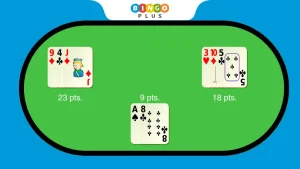
What Are Melds in Tongits?
Melds are valid card combinations that you can place face up during the game. There are two basic types of melds in Tongits.
Sets
A set contains three or four cards with the same rank. The suits must be different when required by the table or platform.
For example, 8♣ 8♦ 8♥ is a valid three-card set. Adding 8♠ creates a four-card set.
Run
A run contains at least three consecutive cards of the same suit.
For example, 6♠ 7♠ 8♠ is a valid run. You can extend it with another consecutive card when the rules and cards allow it.
Ace treatment is a common source of disagreement. Many traditional tables use Ace as low in A-2-3, while some digital rooms permit Ace-high sequences such as Q-K-A. Check the room’s rules before relying on an Ace to complete a run.
How to Play Tongits: Step-by-Step
The basic Tongits game flow is simple: draw, make valid plays, then discard. The strategic value comes from choosing what not to reveal and when to reduce risk.

1. Choose the Dealer
For the first round, the dealer may be selected randomly, such as by drawing high cards. In some traditional formats, the winner of the previous round becomes the next dealer. Online platforms normally assign the dealer automatically.
2. Deal the Cards
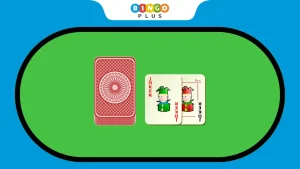
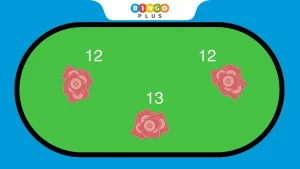
The dealer shuffles the deck and deals according to the room’s rules. Under the common format, the dealer receives 13 cards, and the other two players receive 12 cards each. The remaining deck becomes the stock pile.
3. Start the First Turn
The dealer begins the round. Depending on the rule set, the dealer may draw from the stock before making a meld or may start with an extra card and discard first. After the first turn, play continues in the order indicated by the table or app.
4. Draw One Card
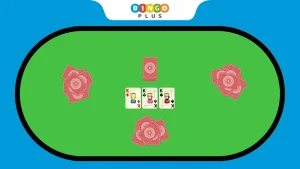
At the beginning of a normal turn, draw one card from the stock pile. Some versions also allow a player to take the top discard when it can be used immediately in a valid meld. This option is not universal, so follow the room rules.
5. Lay Down a Meld
After drawing, you may place any valid set or run from your hand face up. You are not required to reveal every possible combination. Keeping a useful card hidden can preserve flexibility, although delaying a meld may increase the risk of holding unmatched points.
6. Use Sapaw When Available
Sapaw, also called a layoff, means adding one or more cards to a meld already shown on the table. It can help you remove cards without creating a new combination.
For example:
- if another player shows 8♣ 8♦ 8♥, you may add 8♠ if you hold it and the room permits the play.
- If the table shows 7♥ 8♥ 9♥, you may be able to add 6♥ or 10♥.
Sapaw is more than a way to empty your hand. It can also change the timing of a draw because opponents may no longer meet the conditions to call one immediately.
7. Discard One Card
End your turn by placing one card face up on the discard pile. A good discard should reduce your risk without giving the next player an obvious card for a set or run. Once the discard is made, the next player begins their turn.
How Do You Win in Tongits?
A round can end in several ways. The winning condition depends on the specific rule set, but these are the most common outcomes.
Winning by declaring Tongits
A player wins immediately by melding or adding cards until no cards remain, then declaring “Tongits! “According to the table’s procedure, the declaration should be made during the player’s turn before the next player acts.
Winning by calling Draw
A player may call Draw at the beginning of their turn, before drawing, when they believe their unmatched-card total is lower than their opponents’. Many rule sets require the player to have opened at least one meld and prohibit a draw immediately after another player has added to that player’s meld.
After a draw is called, opponents may fold or challenge. If someone challenges, eligible players compare the points in their unmatched cards. The lowest total wins. Some tables give a challenger the advantage in a tie, while others use a different tie-break rule.
Winning when the stock runs out
If the stockpile is exhausted before anyone declares Tongits, players count the points in their unmatched cards. The player with the lowest eligible total wins. A player who never opened a meld may be classified as burned or Sunog and may be prevented from winning under some rules.
Tongits Strategy: How to Make Better Decisions
Reduce High-Value Risk Early
Unmatched Jacks, Queens, Kings, and Tens can create a large penalty if the round ends before you complete a combination. Discarding one early is often sensible when it has no clear connection to a set or run. Do not discard automatically, however; a high card may be valuable when it is part of a nearly complete sequence.
Separate Useful Connections from Hopeful Cards
A pair such as 8♣ and 8♦ has potential, but it is not yet a set. A sequence such as 6♥ and 7♥ also needs a specific card to become a run. Keep connected cards when the expected benefit justifies the points and the risk of waiting. Release isolated cards that are expensive and difficult to combine.
Watch the Discard Pile
The discard pile reveals information about what opponents do not appear to need. It also tells you which cards may already be unavailable for your own plan. Before taking or discarding a card, ask two questions: what does this card improve in my hand, and what combination might it complete for another player?
Track Exposed Melds
Visible melds narrow the possible cards remaining in the deck. If an opponent has already shown three cards of one rank, the remaining card may be important to both of you. Exposed sequences also indicate which cards can be added through Sapaw. Tracking these patterns helps you choose safer discards.
Use Sapaw With a Purpose
Sapaw can lower your hand quickly, but adding a card to a visible meld may help an opponent’s position or affect their eligibility to call Draw. Use it when it materially reduces your deadwood or prevents a dangerous end to the round.
Protect a Low-Point Hand
A low deadwood total gives you more options. You may be able to call Draw, challenge an opponent’s Draw, or survive a stock exhaustion. A hand with many unconnected high cards is less flexible even if it contains one attractive combination.
Do Not Rush to Call Draw
A draw is a calculated claim, not a guaranteed win. Before calling, estimate your unmatched points and consider whether an opponent could have a lower total. Also confirm that you meet the table’s opening and Sapaw requirements. Calling too early can expose a hand that is not actually ahead.
Adapt to the Online Room
When you play Tongits online, speed controls and automatic actions can affect the experience. Read the room’s instructions for the discard pile, eligible draw calls, ace sequences, tie-breaks, and any bonus or penalty. A strategy that is valid in a home game may not be valid in a particular Tongits app.
Playing Tongits Online Safely
Before joining a Tongits online room, distinguish between free-play coins, promotional credits, and withdrawable funds. Read the platform’s terms for deposits, withdrawals, fees, eligibility, and dispute handling. Use only the official website or the verified app store listing, and avoid APK files shared through unofficial links or private messages.
If you choose a real-money room, confirm that the operator is authorized for the relevant jurisdiction and that the game is available to you legally. In the Philippines, players should verify current regulatory and licensing information through official sources rather than relying only on advertisements or search snippets.
Set a budget and a time limit before you play. Never chase losses, borrow money to continue a session, or treat a game outcome as guaranteed income. If the game stops being recreational, take a break or use the platform’s available play-control tools.
Using BingoPlus to Play Tongits
BingoPlus is one possible online destination for Filipino games, including Bingo and Tongits. If you decide to use BingoPlus Tongits, access the service through the official BingoPlus website or the verified listing in the relevant app store. Review the current game rules and account terms inside the platform because features, payment methods, promotions, and room conditions may change.
A typical onboarding process is:
- Open the official BingoPlus website or verified app listing.
- Install the official application if an app is available for your device.
- Create an account using the information requested by the platform.
- Complete any required verification before accessing account features.
- Read the Tongits room rules, scoring information, and transaction terms.
- Start with a free or low-risk room while learning the interface and turn controls.
Do not assume that a download page, payment request, or social media account is official merely because it uses the BingoPlus name. Check the domain, app publisher, and in-app support details before entering account or payment information.
Tongits Frequently Asked Questions
The standard version of Tongits is played with 3 players and a standard deck of 52 cards (without Jokers).
During your turn, add cards to any revealed combination (to make up a fourth card or extend a straight) to discard cards and block a draw.
In many standard rule sets, you call Draw at the beginning of your turn before drawing. You normally need to have opened a meld, and an opponent’s recent Sapaw may temporarily prevent the call. Because requirements vary, check the room rules first.
Yes. Both games use sets, sequences, and unmatched-card management. Tongits has its own turn order, Sapaw mechanic, draw procedure, and local rule variations.
Most traditional materials consider this to be low (A-2-3); however, many modern/online tutorials allow A high or low (Q-K-A / A-2-3) and no circles; explain this before playing.
Many platforms offer free-play or practice modes, but availability depends on the app and region. Check whether the room uses virtual credits or real-money transactions before joining.
Tongits are legal if played on a real-money gaming platform licensed by the Philippine Amusement and Gaming Corporation (PAGCOR), such as BingoPlus. Always check if the platform is compliant.
Final Takeaway
To play Tongits well, learn the complete turn cycle first: draw, make valid combinations, use Sapaw when it improves your position, and discard with the next player in mind. Then add strategy by tracking exposed cards, reducing high-value deadwood, protecting a low total, and calling Draw only when the conditions and probability support it.
The best starting point is a free or low-risk room where you can practice the interface and confirm the local Tongits rules. Once you understand how the room handles dealing, Aces, the discard pile, Draws, challenges, and scoring, the game becomes less about guessing and more about making disciplined decisions.